Can Lower Eyelid Surgery Permanently Eliminate Under-Eye Bags?
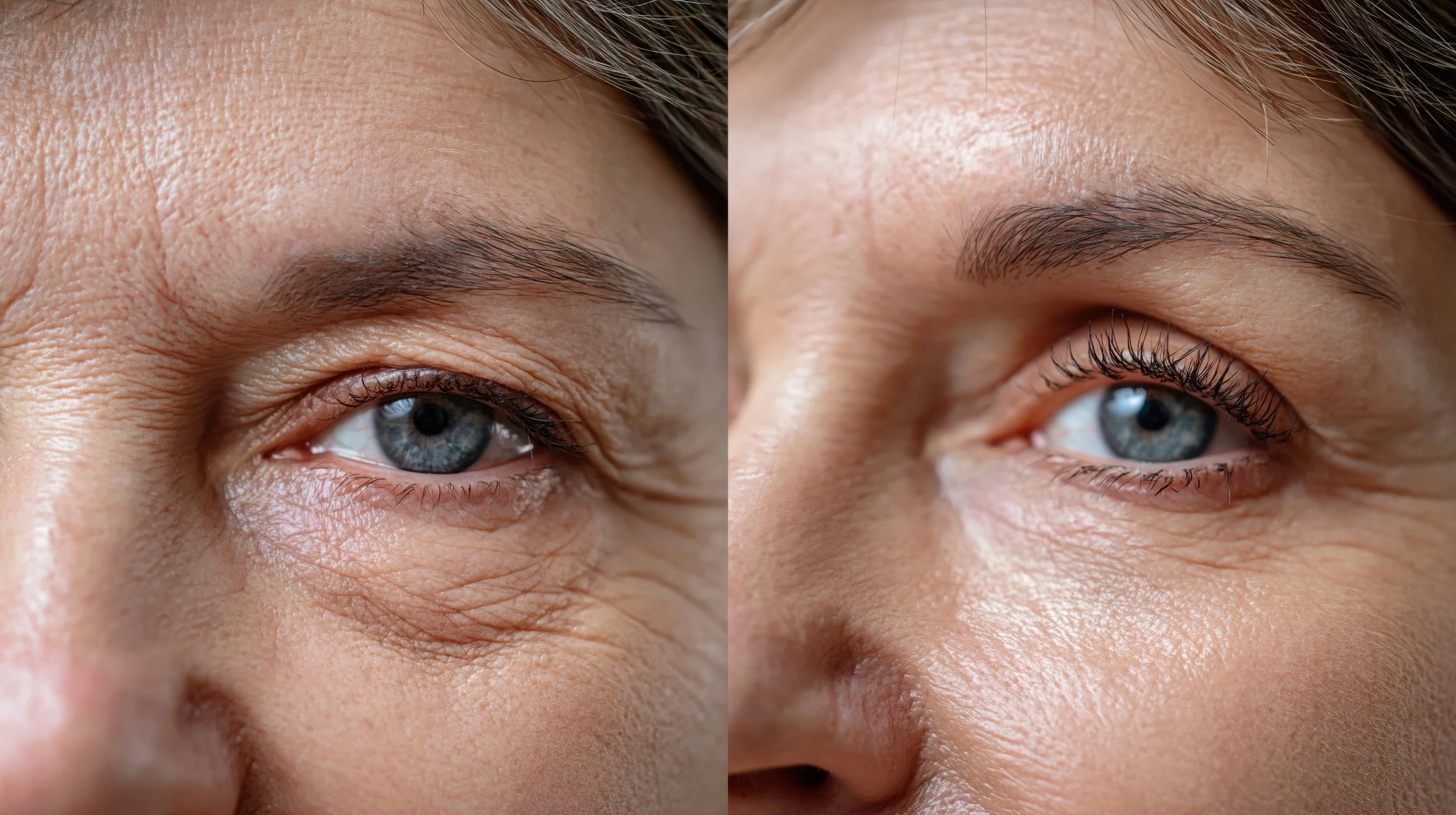
If you live in Tampa Bay and have tried eye creams, cold compresses, better sleep, or concealer only to find that the bags under your eyes never seem to disappear, you may be wondering: Can lower eyelid surgery permanently eliminate under-eye bags?
In many cases, lower eyelid surgery, also known as lower blepharoplasty, can provide a long-lasting improvement in true under-eye bags caused by excess or displaced fat, loose skin, and age-related changes around the lower eyelids. However, it is important to understand that “permanent” does not mean your eyes will never change again. Lower blepharoplasty addresses structural changes responsible for under-eye bags, while the natural aging process continues after surgery.
For Tampa Bay patients considering eyelid surgery, understanding what causes under-eye bags — and what surgery can and cannot correct — is an important first step.
What Causes Under-Eye Bags?
Under-eye bags can develop for several different reasons, and not every type of puffiness responds to the same treatment.
Common causes include:
Age-related changes in the lower eyelid
Protrusion or displacement of fat beneath the eyes
Loss of skin elasticity
Genetics
Fluid retention and temporary swelling
Allergies or sinus congestion
Volume loss that creates a hollow or shadow beneath the eye
Skin pigmentation or dark circles
As we age, the tissues supporting the lower eyelid can change, allowing fat around the eye to become more prominent. This can create the familiar appearance of permanent “bags” beneath the eyes. That distinction matters because true under-eye bags caused by protruding fat are different from temporary puffiness or dark circles caused by pigmentation.
Read Similar > Can You Fix Changes Made to Your Face by Ozempic?
Can Lower Blepharoplasty Permanently Remove Under-Eye Bags?
Lower blepharoplasty can permanently correct some of the structural causes of under-eye bags. During lower eyelid surgery, a plastic surgeon may remove or reposition excess fat and, when appropriate, address excess lower-eyelid skin. Depending on the patient's anatomy and goals, the procedure may be performed through an incision just below the eyelashes or through the inside of the lower eyelid, known as a transconjunctival approach.
The goal is not simply to “remove everything” beneath the eyes. Modern lower blepharoplasty can involve carefully repositioning fat to improve the transition between the lower eyelid and cheek, helping address both a prominent bag and an underlying hollow. This approach can create a smoother, more natural-looking contour rather than simply making the area look flatter.
Does Lower Eyelid Surgery Also Remove Dark Circles?
Not necessarily. This is one of the most important distinctions Tampa patients should understand before considering lower blepharoplasty.
If your dark under-eye appearance is primarily caused by protruding fat or a shadow created by an under-eye bag, surgery may significantly improve the appearance. But if the darkness is primarily caused by pigmentation, visible blood vessels, thin skin, or other factors, removing the bags may not completely eliminate the discoloration.
Likewise, lower blepharoplasty is not designed to eliminate every fine line or crow's-foot around the eyes. During a consultation, we can determine whether your concerns are primarily related to fat, skin laxity, hollowness, pigmentation, or a combination of factors.
Is Lower Blepharoplasty Right for Tampa Bay Patients?
Lower eyelid surgery may be worth discussing if you have persistent under-eye bags that:
Remain even when you are well-rested
Appear consistently rather than only in the morning
Are related to visible fat beneath the lower eyelids
Make you look tired or older than you feel
Have not responded to skincare or lifestyle changes
Are accompanied by loose lower-eyelid skin
It may be less appropriate if your primary concern is temporary swelling, pigmentation, or another condition that surgery is not designed to correct. A consultation is important because the cause of your under-eye concern determines the appropriate treatment.
Read Similar > The Natural Facelift: Why Subtle Enhancements Are Trending in 2026
Lower Blepharoplasty vs. Fillers for Under-Eye Bags
Patients sometimes wonder whether they should choose lower eyelid surgery or an injectable treatment such as dermal filler.
The answer depends on what is actually creating the appearance of the under-eye concern.
Lower blepharoplasty may be appropriate when the primary issue is structural fat protrusion, excess skin, or significant lower-eyelid changes. Dermal filler may be considered in select patients with volume loss or hollowness. However, filler does not remove true under-eye bags and is a temporary treatment.
In some cases, trying to camouflage a true fat-related bag with additional filler may not produce the desired result. This is why an in-person assessment is so important before deciding on a treatment.
Bottom Line
Yes — lower eyelid surgery can provide a long-lasting correction for true under-eye bags, particularly when they are caused by protruding or displaced fat and excess lower-eyelid skin. But the word permanently deserves some context. Surgery can address the structural changes responsible for today's bags, but it cannot stop future aging, sun exposure, or changes in facial volume.
For Tampa Bay patients considering lower blepharoplasty, the most important question may not be “How do I permanently get rid of my eye bags?” but rather:
“What is causing my under-eye bags, and which treatment is appropriate for my anatomy?”
A personalized consultation with an experienced plastic surgeon can help answer that question and determine whether lower blepharoplasty, fat repositioning, skin treatments, injectables, or another approach makes sense for you. Give us a call today at (813) 355-8412 to book your consultation.